Unknown's avatar

About Nicholas

Professor of Sociology, Environmental Studies, and Science and Technology Studies at Penn State, Nicholas writes about scientific study of states and the future.

12 PhD Positions on Regional Power Studies

PRIMO Marie-Curie ITN

12 PhD Positions on Regional Power Studies

12 Early Stage Researcher (ESR) positions are available in the PRIMO Marie Curie Initial Training Network. PRIMO – Power and Region in a Multipolar Order – is a European Commission funded doctoral training network that involves universities in Germany, the UK, Turkey, China, India, Brazil, South Africa, Russia and Portugal, as well as non-academic institutional participants. It develops innovative research training in the field of International Relations, in particular with respect to the growing importance of Brazil, Russia, India, China, and South Africa in international politics and the global economy. The programme combines theoretical approaches, a rigorous mixed research methodology, practical training, and the acquisition of substantial empirical expertise on regional and emerging powers with career opportunities in academia or the private sector. We invite candidates to apply for the following PhD positions.

Project references and titles:
ESR 1: Climate governance in a multipolar world order
Host: University of Hamburg, Germany
ESR 2: Comparative analysis of the role of identity in Indian, Turkish and Russian foreign security policies
Host: Middle East Technical University, Ankara, Turkey
ESR 3: The BRICS and south-south development cooperation
Host: Pontifícia Universidade Católica de Rio de Janeiro, Brazil
ESR 4: Public–private relations and the promotion of global social standards
Host: Jaguar Land Rover / University of Oxford, UK
ESR 5: The consequences of limited material capacity for Brazil’s foreign policy
Host: Instituto de Ciências Sociais da Universidade de Lisboa, Portugal
ESR 6: Emerging powers in the IMF and the WTO: group hegemony, multilateral cooperation or Westphalian reassertion?
Host: Saint Petersburg State University, Russia
ESR 7: Regional powers and the changing character of global governance
Host: University of Oxford, UK
ESR 8: International organizations, the global poverty debate and the role of emerging powers
Host: Stellenbosch University, South Africa
ESR 9: China, the EU, and international crisis management
Host: Fudan University, Shanghai, China
ESR 10: Brazil and Africa: security cooperation within the South Atlantic
Host: Instituto de Ciências Sociais da Universidade de Lisboa, Portugal
ESR 11: American and European perceptions of the rise of regional powers
Host: German Institute for Global and Area Studies, Hamburg, Germany
ESR 12: Old powers’ reactions and responses to the rise of India
Host: Jawaharlal Nehru University, New Delhi, India

Eligibility criteria
Candidates must be, at the time of recruitment by the host organisation, in the first four years (full-time equivalent) of their research careers and have not yet been awarded a doctoral degree. This is measured from the date when they obtained the degree which would formally entitle them to embark on a doctorate.

Eligible candidates may be of any nationality but must not, at the time of recruitment have resided or carried out their main activity (work, studies, etc) in the country of their host organisation for more than 12 months in the 3 last years immediately prior to the reference date. Short stays such as holidays and/or compulsory national service are not taken into account.

Candidates can apply for up to three positions (clearly indicate preference and/or ESR numbers).

Envisaged Job Starting Date
From 01/04/2014 till 01/10/2014
Application Deadline
First deadline: 10/01/2014; second deadline: 15/06/2014
Application website
www.primo-itn.eu

Philosophers DVD: Noam Chomsky and Michel Foucault

Foucault vs. Chomsky … be ready.

Clare O'Farrell's avatarFoucault News

Philosophers DVD
Author(s): Moderator and commentator Fons Elders
Noam Chomsky and Michel Foucault
Sir Alfred Ayer and Arne Naess
Leszek Kolakowski and Henri Lefèbvre
Sir Karl Popper and Sir John Eccles

A series by Fons Elders

This DVD is available at a more reasonable price from Fons Elders’ site than from Icarus films.

Review by Brian Boling

In 1971, a Dutch initiative called the International Philosophers Project brought together the leading thinkers of the day for a series of one-on-one debates. The participants included intellectual superstars Alfred Ayer and Arne Naess, Karl Popper and John Eccles, Leszek Kolakowski and Henri Lefèbvre, and – most notably, in a now justifiably famous exchange – Noam Chomsky and Michel Foucault.

This two-disc set collects all four remarkable conversations, along with introductions and commentary by Dutch philosopher and writer Fons Elders. Elders moderated the original debates – hand-picking each of the participants after spending…

View original post 297 more words

standardizing ethnography

fabiorojas's avatarorgtheory.net

On the Soc Job Rumor Board, there was a discussion of the non-replicability of ethnography. I think this is mistaken. Ethnography is easily replicable, it’s just that ethnographers don’t want to do it. For example, ethnographers could:

  • Stop making everything anonymous so others can verify and check. Mitch Duinier is right about this.
  • Group ethnography. Have multiple observers and do inter-coder reliability.
  • Standardize data collection – how field codes are done and recorded.
  • Encourage others to revisit the same population (which is actually done in anthropological ethnography)

Of course, no single study can strive for replication in the same way and some folks do a good job addressing these issues. But still, the anti-positivist framing of much ethnography probably prevents ethnographers from developing intuitive and sensible things to create standards that would move the field away from the solo practitioner model of unique and non-replicable studies.

50+ chapters of grad…

View original post 11 more words

The Trouble with Gas Pipes

Capture

It seems that every time you turn around, especially with me living in Pennsylvania, I heard about our grand future with natural gas. USA TODAY heralds “U.S. forecasts natural gas boom through 2040” or the Economist asking about natural gas “Difference Engine: Fuel for the future?” to which the obvious answer is: “Two things are clear, though: there is a lot of natural gas out there; and it is extremely cheap. In both electricity generation and road transport, it will be a hard act to beat.” I could document more and more examples, but it is hardly necessary because my main point is not about natural gas. It is about natural gas pipes.

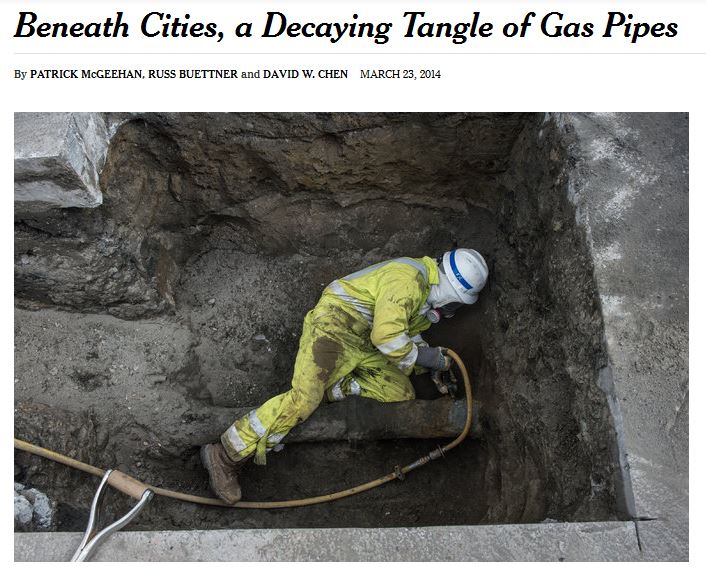
The New York Times has put out, in the last month or so, a number of pieces about failing gas pipe infrastructure in our nation’s major cities. The piece readers are probably the most familiar with is the March 23rd piece “Beneath Cities, a Decaying Tangle of Gas Pipes,” a terrific piece by .

Capture

Underneath the bustling streets of New York, “6,302 miles of pipes transporting natural gas” and they are crumbling; chief concern, of course, have to do with leaks, and “Leaks, like the one that is believed to have led to the explosion that killed eight people in East Harlem this month, are startlingly common, numbering in the thousands every year, federal records show.”

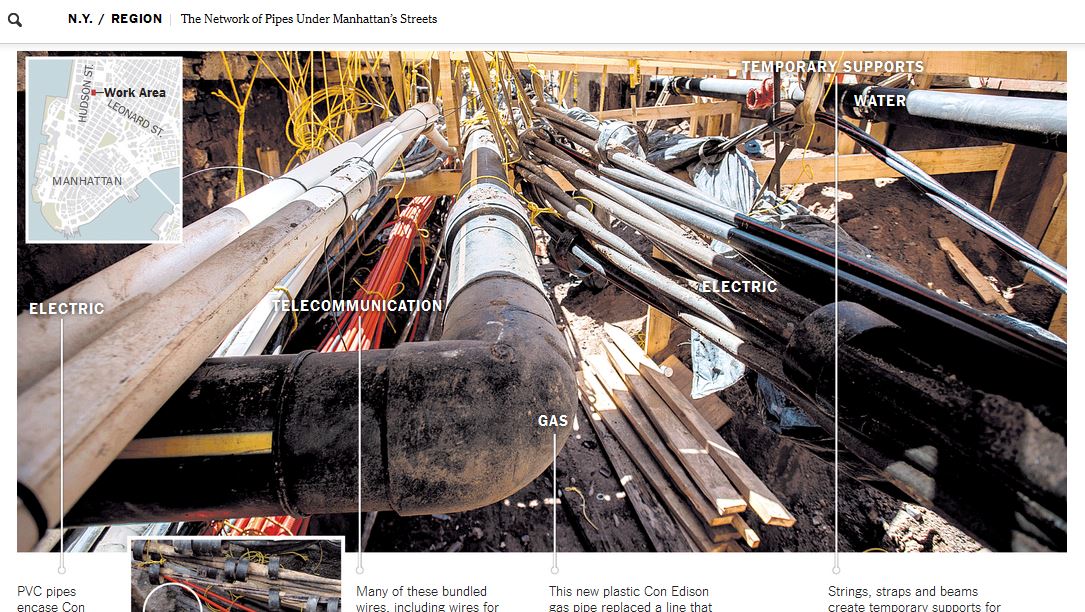
Thus, as we grow more dependent on our plentiful natural gas reserves, danger will follow: “The chief culprit, according to experts, is the perilous state of New York City’s underground network, one of the oldest in the country and a glaring example of America’s crumbling infrastructure.” There is a super-cool graphic available here:

Capture

New York, though, is replacing their pipes as quickly as any city in America, but other cities are not; “Baltimore is on track to replace its pipes in 140 years, while Philadelphia will not be done for 80 years.”

What’s interesting and alarming about these sorts of issues has to do with the wide distribution and sheer scope of the problem; leaks are bound to happen, so they are predictable; however, the location of a leak is simply unanticipatable. The solution: these companies rely on users! “Utility companies now largely rely on the noses of their customers to alert them to danger. The gas that flows through the network of pipes under the streets is naturally odorless, so a compound known as mercaptan that smells somewhat like rotten eggs is added.”

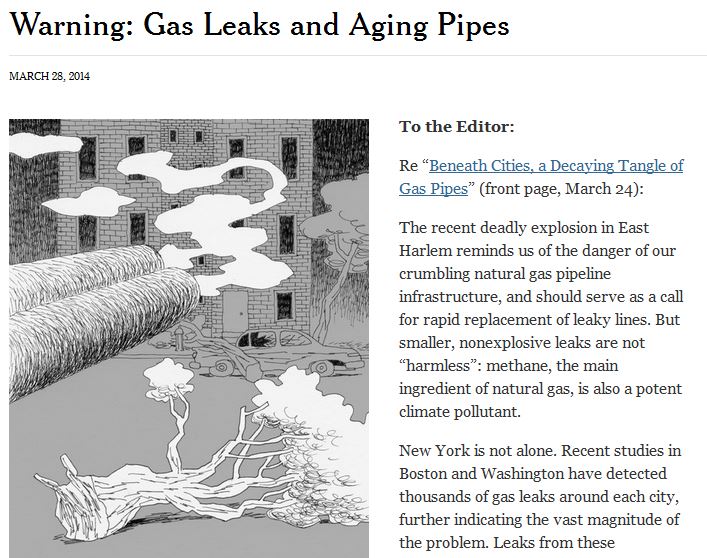
Another piece comes from the editorial page and falls under “opinion”; “Warning: Gas Leaks and Aging Pipes.

Capture

The first comments come from ARMOND COHEN, Exec. Director, Clean Air Task Force, and mainly frames the issue as one of national security: “This is a matter of national public safety, a priority for protecting the climate and an opportunity to create jobs, and must be immediately addressed at all levels — by state utility regulators, by the Environmental Protection Agency and by other federal agencies.” The second comments are even more interesting, COURTNEY CARROLL, a resident of New York, tells the average resident what to expect if there is a leak. “One way to increase vigilance in spotting gas leaks is to look for damaged vegetation like dead trees, dead grass and dead shrubs.” I like this idea of enrolling the missing masses to monitor infrastructure; maybe we need an app for that! Seems like an obvious university project for students or something that communities, if they want access to upgraded piping, could commit to … of course, the ironies hurt: as soon as residents get new infrastructure, that is precisely when we start to “forget about it”.

The final piece “Under the Streets, a Lurking Danger” adds some balance and redirects the discussion toward government. Aging pipes have NOT yet been identified as the cause of the East Harlem gas explosions, they remind us. Also, the real battle is on the hill: “Congress can give momentum to two Senate bills sponsored by Senator Edward Markey, a Democrat of Massachusetts, which seek to hasten the replacement of old, leaking natural-gas pipelines nationwide.” Let’s see if the combination of government action and local citizen action get us through to the future with natural gas…

Gastón Gordillo on The Oceanic Void

stuartelden's avatarProgressive Geographies

ocean 1 Fascinating preview of a piece by Gastón Gordillo on ‘ The Oceanic Void ‘ which is forthcoming in an edited book on Deleuze and space, and also part of his planned book on the theory of terrain. Among other things it engages with the work of Philip Steinberg, John Protevi and Levi Bryant.

My interview with Gastón for Society and Space is almost complete, and his responses are very interesting. The interview mainly discusses his forthcoming book Rubble: The Afterlife of Destruction, but also his earlier book Landscape of Devils, the terrain project and his blog. I’ll post a link here as soon as it’s published.

View original post

Ethnography as Diaspora

Ethnography work on software in Vietnam; interesting updates from the field.

deuxlits's avatarEthnography Matters

Lilly U. Nguyen Lilly U. Nguyen

Editor’s Note: Lilly U. Nguyen (@deuxlits) tells us how in her own work on the ethnography of software in Vietnam, she both studies and embodies “diaspora” – and she shares the insights that diaspora has given her. She is a postdoctoral scholar at the ISTC-Social at UC Irvine. She studies race, labor politics, and information technology in Vietnam and among the Vietnamese diaspora.


Lilly’s post continues the March-April edition focusing on ethnographies of makers, hackers, and engineers.


In my work, ethnography takes on diasporic dimensions.

These qualities touch on several of the questions raised in previous posts in this blog series, such as the distinction between self and other and the Cartesian coordinates of studying up and down in Nick Seaver’s post and the disciplinary shifts as described in Austin Toomb’s post. For those of us who study decidedly contemporary phenomena like algorithms, hackers…

View original post 1,114 more words

What’s the Social in Social Media? Geert Lovink

The Internet is Here!

dmf's avatarANTHEM

The term ‘social’ in ‘social media’ is embedded in positive connotations regarding community spirit and participation and is moreover rhetorically used as a given. Within the popular discourse social media are often portrayed as important tools for generating and preserving social interaction within the community, which would supposedly lead to a more engaged and involved society. But to what extent are these media actually social as opposed to commercial when we consider how ‘the social’ is being recreated and exploited for commercial success. By working around the utopian discourse we will further explore this phenomena within this session in order to define the ‘social’ in social media.
networkcultures.org/wpmu/unlikeus/
https://twitter.com/glovink

View original post

Forensis

Seeing like a military

Derek Gregory's avatargeographical imaginations

I’m putting together my presentation on ‘Seeing like a military‘ for the AAG Conference in Tampa next week, but – prompted in part by my interest in forensic architecture (see also here and here) – I’ve also been thinking about other ways of seeing (perhaps ‘re-viewing’ would be better) military violence.

2014_cover_publication_forensis_imgsize_SSo I’ve been interested to read a report over at rhizome on Forensis, an exhibition and installation curated by Anselm Franke and Eyal Weizman at the Haus der Kulteren der Welt in Berlin, on ‘Constructions of Truth in a Drone Age’:

Any act of looking or being looked at is mediated by technology. This is true of any scientific process too, where each tool or method of looking is developed with a purpose in mind which influences the data that it produces. This is precisely what forensic investigation reveals: not only the reality of an event…

View original post 204 more words

Extended Deadline: 2014 DASTS Conference on RUC

Capture2014 DASTS Conference on RUC

Call for papers: Enacting Futures – extended deadline for abstracts is April 4
This year’s DASTS conference wants to highlight and display the political, conceptual and practical consequences of the ontological turn. Rather than continuing with the Modern belief in grand narratives and a singular ontology, researchers within the field of STS outline an alternative history with several modes of existence and thus a plurality of truth conditions. But what are the implications of multiple modes of existence? How are diplomatic encounters and politics performed across modes? And what does the plurality of truth conditions mean for the institution of Academia? How can we envision new forms of posthumanities in socio-technical worlds? With these questions, the theme of the conference will be enactments of futures.

At the location of Roskilde University this theme is particularly fitting. Since its origin in 1972 Roskilde University has been propagating action research and problem-based group-work to not only criticize but also engage in practices for example through participatory design and research processes. When DASTS is for the first time held at Roskilde University, we find it appropriate to reflect upon a new utopian agenda for researchers. Also, as STS is growing and moves beyond its original fields of science and technology studies, contributions are invited to consider different fields of research as different modes of existence, considering the spreading of STS across disciplines as a transdisciplinary approach. Last but not least, the theme of the conference is inspired by the AIME project: An Inquiry into Modes of Existence, which contributors could reflect upon concerning its theoretical foundation and its online platform.

To address the theme of enacting futures, contributions could focus on identifying characteristics of specific modes of existence, addressing connections between different domains, comparing domains, and/or discussing diplomacy, negotiations over values, and the (re-)invention of subjectivities/posthumanities and institutions. In doing so, contributors could turn attention to research methods and practices, looking at connections to politics, private companies, and/or artistic approaches. DASTS also invite artistic contributions that can be set on display and/or shown at the conference. It is also a possibility to couple traditional conference paper presentations in dialogue with an artistic oeuvre.


The call for papers is meant as inspirational. More than inviting papers relating to the announced theme, we also welcome papers and oeuvres discussing and/or performing other STS subject matters. The DASTS annual conference is open for all and the committee welcomes entries from all areas of science and technology studies. Especially junior researchers wanting to present and discuss their research are invited to present their work. The main purpose of the conference is to fertilize STS research broadly by providing an occasion for researchers working with STS in Denmark to exchange their current works and thoughts, and of course to stimulate networking across STS-inspired environments. For this latter reason the conference fee also includes conference dinner. The main language is Danish, but presentations in English are welcome, and a few sessions as well as the key note presentations will be held in English. The conference aims to be a friendly and encouraging scientific environment in which not only well-established scholars, but also Ph.D. and master students should feel confident to present and discuss their work with colleagues.

Keynotes at DASTS 2014: Adrian MacKenzie and Kristoffer Ørum.

Registration is now open: http://ruconf.ruc.dk/index.php/DASTS2014/DASTS2014

Practical information
Dates: June 12 – 13, 2014
Place: Roskilde University, Universitetsvej 1, DK-4000 Roskilde

Deadline for submission of abstracts (max app. 300 words): April 4, 2014 (extended).
Please state in your abstract your preferred language of presentation, and if English is a possibility for you.
Abstracts should be submitted to dasts@ruc.dk.

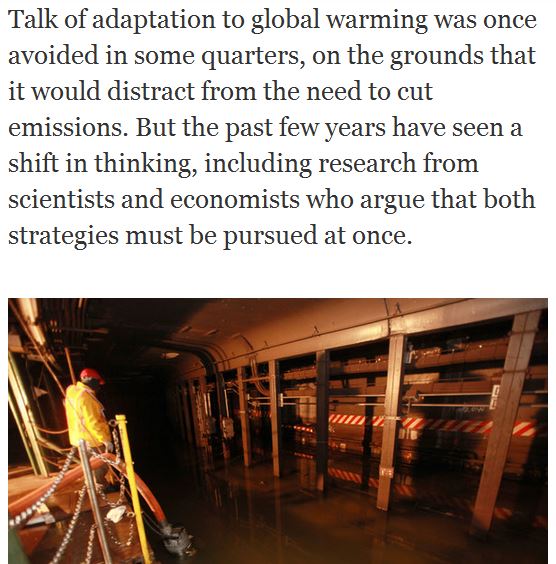
Critical Infrastructure and Climate Change

Capture

Sometimes things juxtapose themselves. Dmfant wrote a reply about a terrific piece now available on-line, free, as an mp3. Backdoor Broadcasting Company’s academic broadcasts currently host access to the file, which is from:

The Political Life of Things: A One Day Workshop at The Imperial War Museum, London, UK; Nick Vaughan-Williams (Warwick) & Tom Lundborg (Swedish Institute of International Affairs): There’s More to Life than Biopolitics: Critical Infrastructure, Resilience Planning, and Molecular Security

The piece is about critical, self-healing infrastructure, and, of course, require this discussion requires significant use of the “human/non-human” distinction, if only to dash them to bits. Well, while this piece is years old, Dmfant just posted it in response to a previous post about an upcoming event.

There is a piece in the New York Times today about the third time that world scientists united in order to provide a broad response to the public about the realities of climate change. How these two pieces appear to be linked together so nicely is a claim made Tom LUndborg about how the linguistic turn in political philosophy has distracted us, on the whole, from the “social” concern over materiality and a full-fledged research base of studies on infrastructure. Tom goes further, though, claiming that the linguistic turn has made it much more difficult to be fully critical as theorists or, conceivably, as government agencies or even public citizens to take the next step … although, that is where the radio show ends.

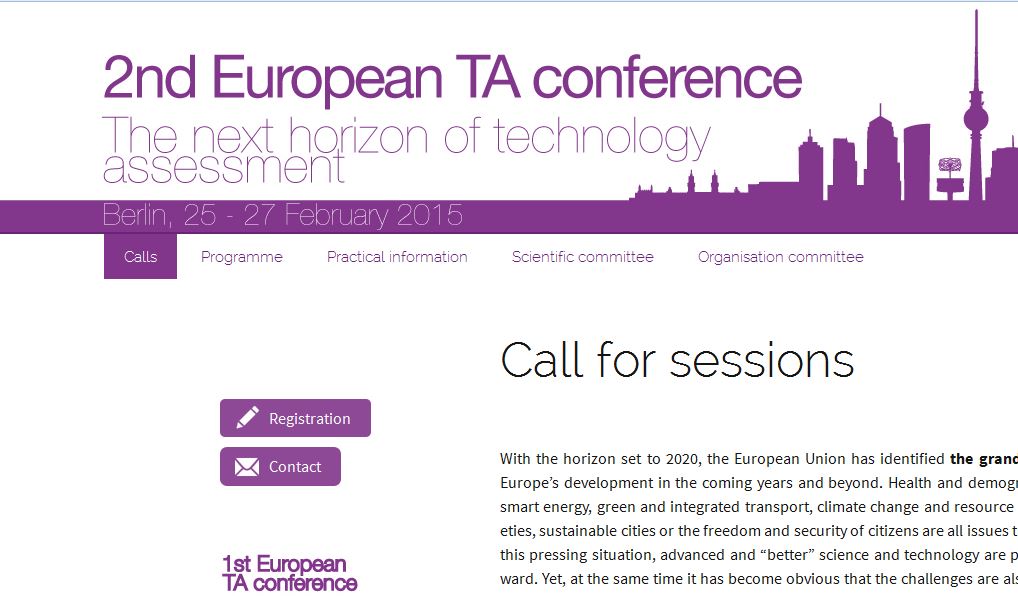
PACITA’s 2nd European TA Conference

Capture

PACITA’s 2nd European TA Conference

The overall aim of the conference is to take stock of and support the exchange on TA capacities throughout Europe. Following the successful meeting of researchers, TA practitioners, policy makers and civil society organizations at the 1st European TA Conference in Prague in March 2013 we look forward to continuing the fruitful discussions and networking at the 2nd European TA Conference in Berlin. The Conference is organized within the framework of the four-year FP7 project PACITA (“Parliaments and Civil Society in Technology Assessment”). Generally, the PACITA project and the Conference define “Technology Assessment” in a broad sense. TA comprises methods, practices and institutions for knowledge based policy making on issues involving science, technology and innovation, including TA-related fields such as Foresight, Science and Technology Studies (STS) and research on Ethical, Legal and Societal Aspects (ELSA) of science and technology.

We submitted and we’ll let you know if we get a spot (along with some invitations).

Here is our submission:

Session Title: The State as a Concept In Practice

If it is necessary to reflect upon concepts that support democratic problem solving and decision making, then no concept is more important or central to this aim than “the state.” Over the last decade, scholars in science and technology studies (STS) have developed an innovative and useful model for understanding the state. In particular, they show how the state is an academic concept — a theory, to be specific — that is used routinely in the everyday practices of contemporary Continue reading

Eternal Harvest

Geographical Imagination … interesting blog if you don’t know them (I didn’t until a colleague mentioned them to me today). Check it out.

Derek Gregory's avatargeographical imaginations

Many readers will know the remarkable work that’s been done to reconstruct the US bombing of Cambodia during the ‘Vietnam’ War: I’m thinking of Taylor Owenand Ben Kiernan‘s ‘Bombs over Cambodia’ which appeared in The Walrus in 2006: available here and here.

The still-incomplete database (it has several “dark” periods) reveals that from October 4, 1965, to August 15, 1973, the United States dropped far more ordnance on Cambodia than was previously believed: 2,756,941 tons’ worth, dropped in 230,516 sorties on 113,716 sites. Just over 10 percent of this bombing was indiscriminate, with 3,580 of the sites listed as having “unknown” targets and another 8,238 sites having no target listed at all. The database also shows that the bombing began four years earlier than is widely believed—not under Nixon, but under Lyndon Johnson. The impact of this bombing, the subject of much debate for the past three…

View original post 546 more words

Open Standards in the Digital Age: History, Ideology, and Networks

Open Standards?

dmf's avatarsynthetic zerØ

Open Standards in the Digital Age: History, Ideology, and Networks

via http://newbooksintechnology.com: We tend to take for granted that much of the innovation in the technology that we use today, in particular the communication technology, is made possible because of standards. In his book Open Standards and the Digital Age: History, Ideology, and Networks (Cambridge University Press, 2014), Dr. Andrew L. Russell examines standards and the standardization process in technology with an emphasis on standards in information networks. In particular, Russell examines the interdisciplinary historical foundations of openness and open standards by exploring the movement toward standardization in engineering, as well as the communication industry. Paying careful attention to the politics of standardization, Russell’s book considers the ideological foundations of openness, as well as the rhetoric surrounding this ideology. Notable also is the consideration of standardization as a critique of previous ideology and a rejection of centralized control.

View original post

Knowledge: Power and Production, Annual Conference CFP

readsocialthought's avatarRead Write Think... Social Thought

The Social Thought Program and the student reading group are happy to announce the dates of the 2014 Penn State Social Thought Conference: April 4th-5th on the University Park Campus. The keynote address will take place Friday afternoon, and the main conference on Saturday. All events are free and open, with lunch served on Saturday.

Call for Papers

Knowledge: Power and Production

What is knowledge? Who defines it? Who and what determines the ownership of knowledge? What is the relationship between the production and dissemination of knowledge? What are the power dynamics of knowledge in contemporary society? How does the constriction and control of knowledge influence politics? How is our conceptualization of knowledge changing with technology?

We would like to facilitate a discussion of the changing conceptualization and commodification of knowledge in a world in which a library can occupy both a multi-story building and a computer’s hard drive. Perspectives…

View original post 142 more words

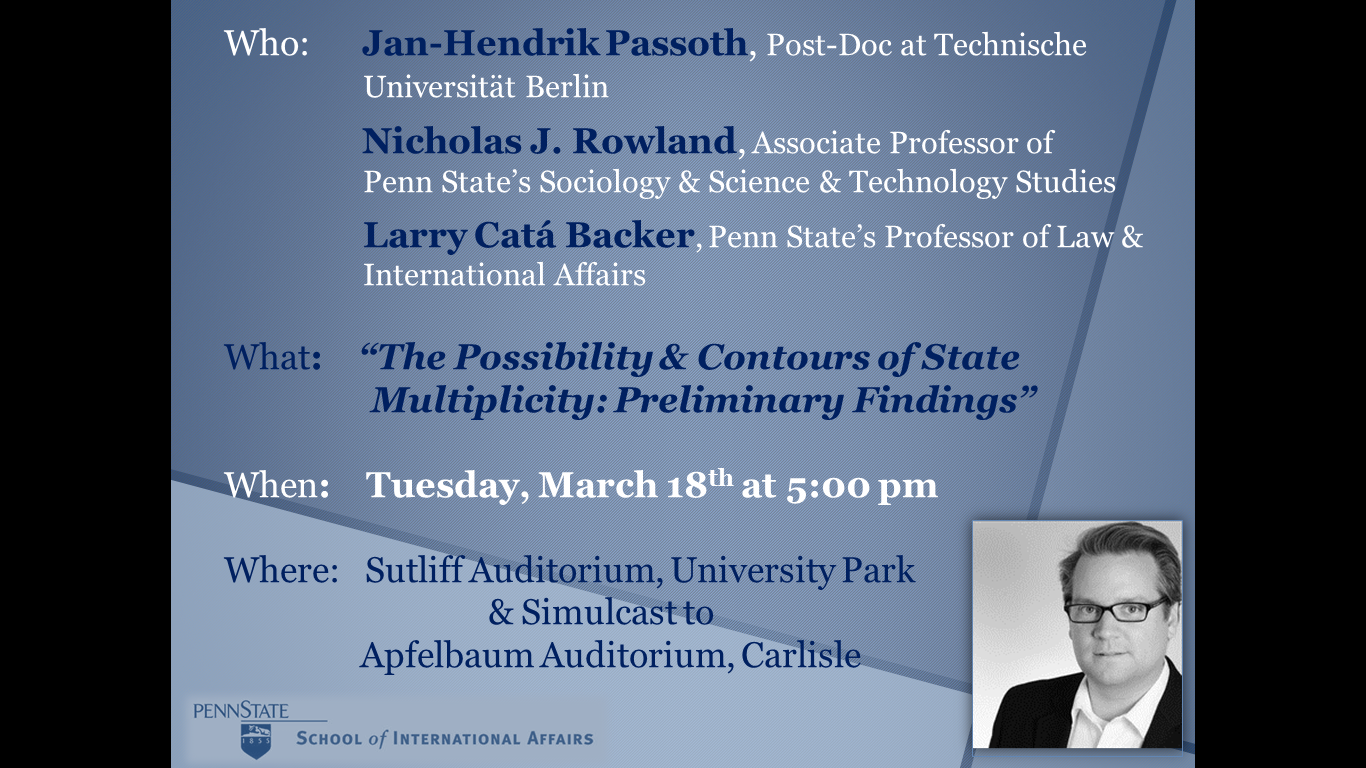
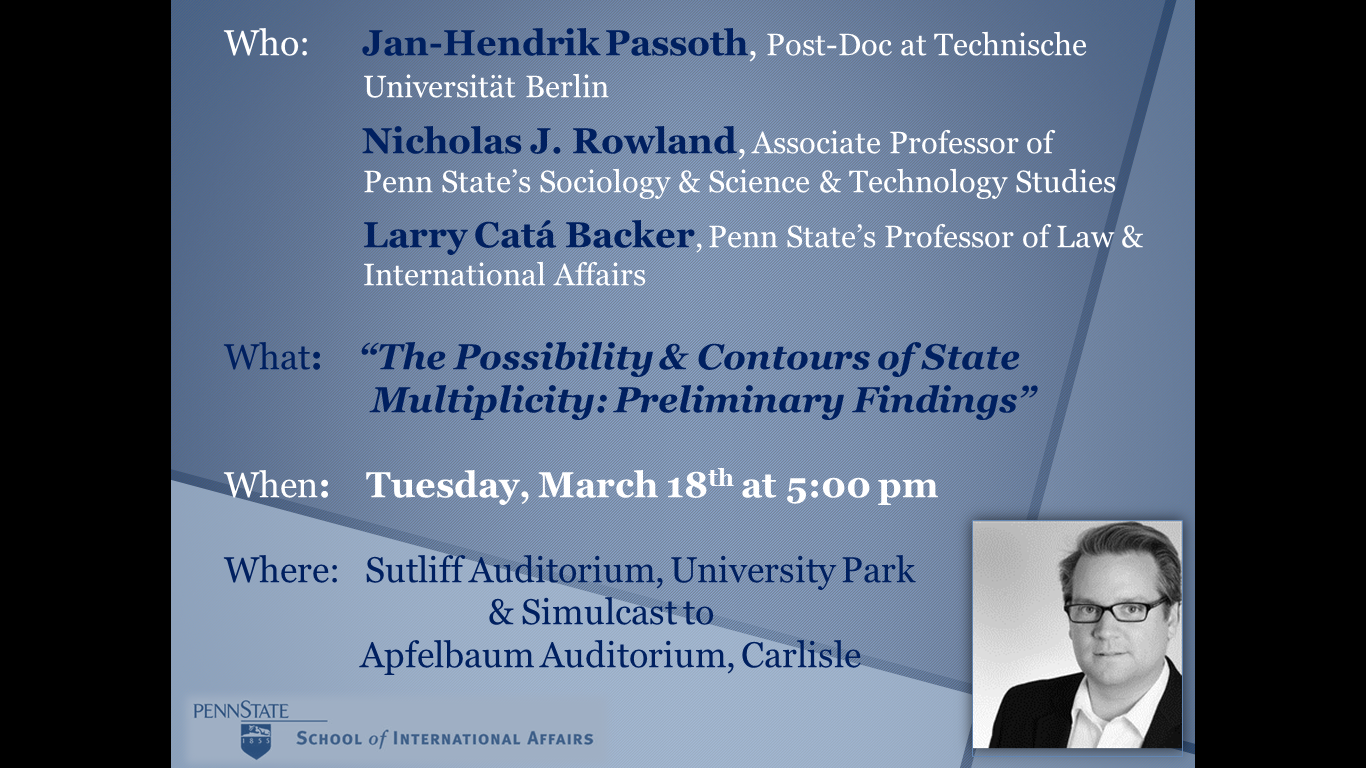
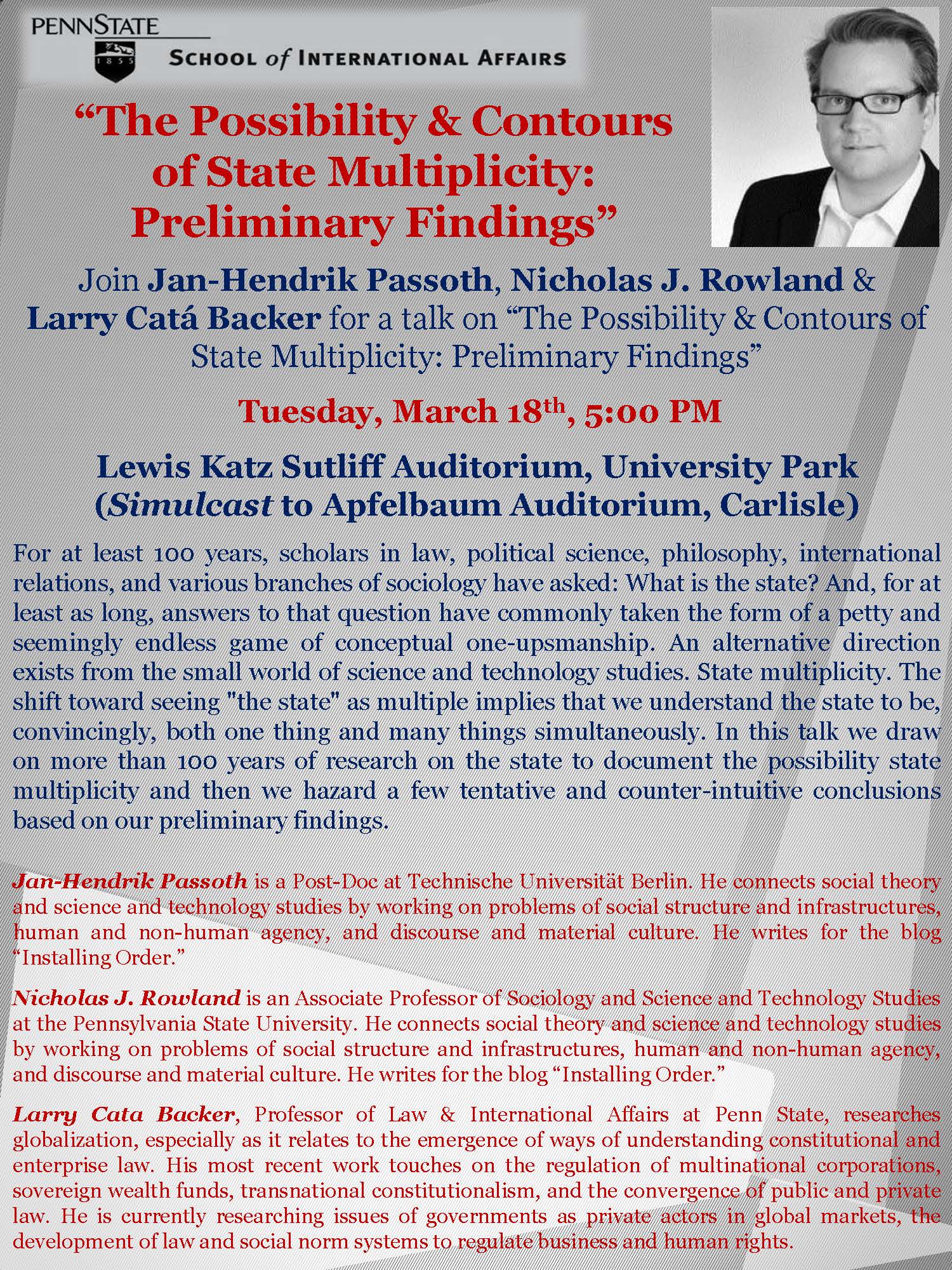
Presentation and Roundtable: Jan-Hendrik Passoth and Nicholas Rowland on “The Possibility & Contours of State Multiplicity: Preliminary Findings”

Capture

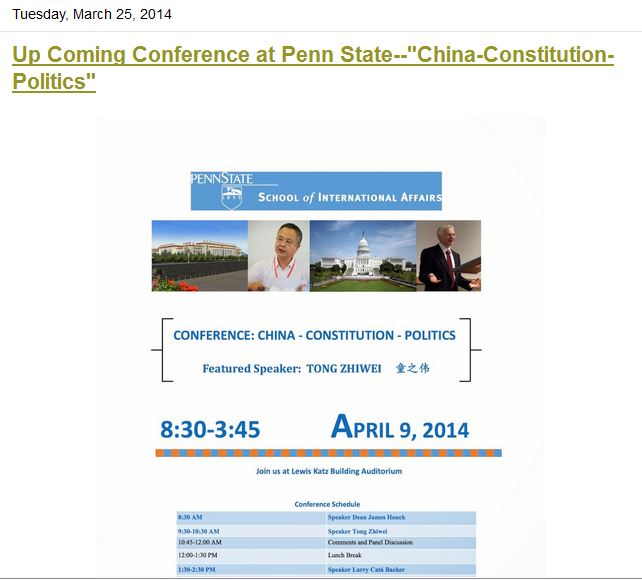
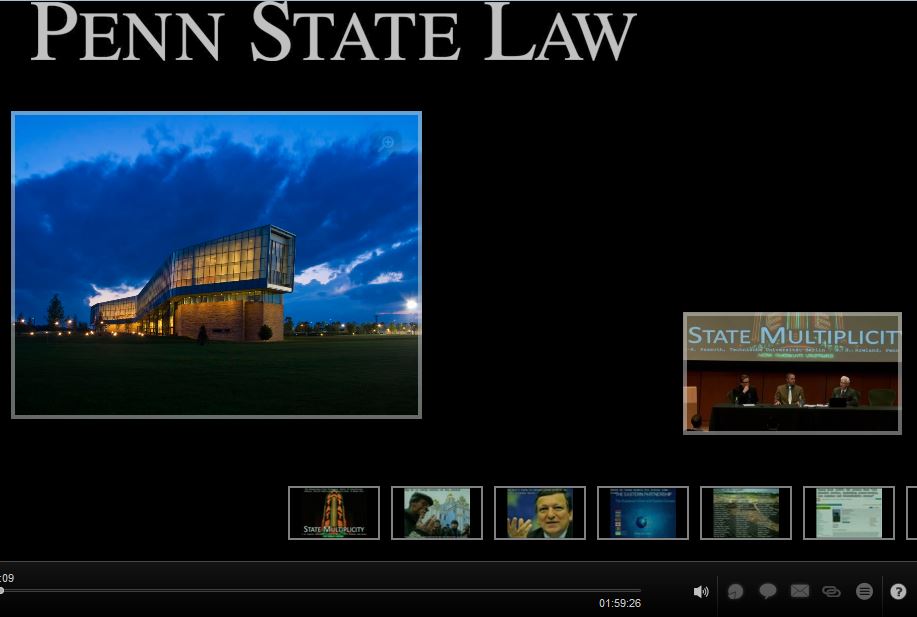
Jan and I recently gave a talk at the School for International Affairs in the Law School at The Pennsylvania State University, which is available HERE.

The presentation, “The Possibilities and Contours of State Multiplicity: Preliminary Findings”, featured Jan-Hendrik Passoth (Technische Universität Berlin), Nicholas Rowland (Penn State University) presenting their latest research work on state theory, and Larry Catá Backer (Penn State) as discussant.  The conference was recorded and all are welcome to watch and comment, engage.

Description of the talk:

For at least 100 years, scholars in law, political science, philosophy, international relations, and various branches of sociology have asked: What is the state? And, for at least as long, answers to that question have commonly taken the form of a petty and seemingly endless game of conceptual one-upsmanship. An alternative direction exists from the small world of science and technology studies. State multiplicity. The shift toward seeing “the state” as multiple implies that we understand the state to be, convincingly, both one thing and many things simultaneously. In this talk we draw on more than 100 years of research on the state to document the possibility state multiplicity and then we hazard a few tentative and counter-intuitive conclusions based on our preliminary findings.


The Passoth-Rowland Presentation and Roundtable may be viewed HERE (via mediasite) or on Penn State Law’s Multimedia Page.  It may also be accessed through the Coalition for Peace & Ethics Website: HERE.

Continue reading

Understanding the City: Henri Lefebvre and Urban Studies

Henri Lefebvre on city infrastructure

stuartelden's avatarProgressive Geographies

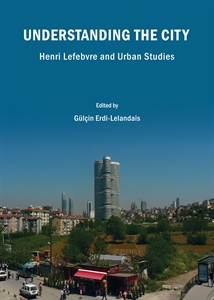
Understanding the City: Henri Lefebvre and Urban Studies  – a collection edited by Gülçin Erdi-Lelandais (via here ).

0069758_understanding-the-city_300

Henri Lefebvre is undoubtedly one of the most influential thinkers in the field of urban space and its organization; his theories offer reflections still valid for analyzing social relations in urban areas affected by the crisis of the neoliberal economic system. Lefebvre’s ideal of the “right to the city” is now more widely accepted given today’s current cultural and social situation. Most current research on Henri Lefebvre refers solely to his ideas and their theoretical discussion, without focusing on the empirical transcription of the philosopher. This book fills this gap, and proposes examples about the empirical use of Henri Lefebvre’s sociology from the perspective of different cities and researchers in order to understand the city and its evolutions in the context of neoliberal globalization. The book’s main purpose is to revisit Lefebvre’s still-relevant key…

View original post 97 more words

The Crimea Precedent & the Post-Soviet De Facto States

Both this post and the post it references are fascinating for seeing an interesting intersection of “practical politics” and “academic models” … if you go to the original post on “Monkey Cage” you’ll notice that survey responses to question 3 are about state entitivity.

Dr Gerard Toal's avatarCritical Geopolitics

IMG_5144.JPG - Version 2

The well-known Political Science blog The Monkey Cage, now owned by the Washington Post (now owned by Jeff Bezoswe all work for Amazon nowposted earlier today a concise 3 graph summary of what our De Facto State Research Survey reveals about likely attitudes amongst different ethnic groups in South Ossetia, Abkhazia and Transnistria (we left out our research results from Nagorny Karabakh since it is not directly supported by the Russian Federation and has its own unique features). We want to thank The Washington Post and particularly Erik Voeten of Georgetown for his assistance in swinging open the door of the Monkey Cage sufficiently to let two Irish political geographers propel some hopefully useful place-based knowledge into the maelstrom of debate that engulfs us post-Crimea. It is painful to summarize years of research into a few paragraphs but at least we didn’t have to write…

View original post 6 more words

Bruno and (Star)bucks

Capture

Teaching ANT to students at the undergraduate level can be a difficult endeavor; however, I have come across a viable solution.

Coffee.

But not to keep students awake during boring lectures about Bruno so much as a case study. The rise of gourmet-style coffee in the United States via the mass producer and distributor Starbucks.

The lecture is here; if you’ll use it, drop me a line (njr12 <at> psu.edu).

Continue reading

CALL FOR PROPOSALS: digitalSTS Volume Deadline: May 15 2014

We invite one-page proposals for an edited volume on “digitalSTS” that advance our understanding of digital objects, phenomena, processes, and methods in Science and Technology Studies. Proposals will be solicited and adjudicated in one of three categories: (1) Theory and Cases, (2) Methods, and (3) Making. To best tailor your proposed submission, we outline the three categories and their expectations below. For more information please see http://www.digitalsts.net or email the digitalSTS editorial team at digitalSTS@zoho.com.

Strong contributions will draw direct connections to topics, literatures, and inquiries of central importance to STS. They may also engage contributions from intersecting fields such as anthropology, communications, media studies, computer-supported cooperative work, and human-computer interaction. We encourage the broadest possible participation from individuals and groups working across Science and Technology Studies and its constitutive or intersecting domains.

In line with the principles and practices of the growing digitalSTS community, this Call for Proposals (and Things!) was generated by community members at the digitalSTS Workshop at 4S in October 2013. Submissions will be discussed and adjudicated in an open, online peer review format before the Editorial Team will select and solicit papers. We welcome all members of the STS community to participate in the process of reviewing proposals.

1. Theory and Cases (a.k.a. “The Handbook”): Submissions to the “Theory and Cases” section should explore or propose a significant or novel contribution to STS theory through an empirical case study focused on digital environments, objects, or practices. Through such studies, we aim tobuild a corpus of theory around the digital within STS, and also contribute to larger debates and established topics within the field (for example: social shaping, actor-networks, ontologies, expertise, feminist STS, science and technology policy, etc.).

2. Methods (a.k.a. “The Field-guide”): We seek submissions that address methods and methodologies for studies of the digital, broadly construed, as well as novel approaches that draw on the enabling capacities of digital approaches for investigations of STS topics. The digital presents many novel phenomena and also provokes a reexamination of existing objects of analysis for STS. The styles for submission are broad: we seek exemplary studies that demonstrate methods, or reflexive papers that explore high level methodologies and hands-on approaches.

3. Making (a.k.a. “The Scrapbook”): This section of the Handbook issues a “Call for Things” targeted at an audience of scholars, designers and makers as well as hybrid identities such as scholar/makers. The call is intended to bring together texts as well as visual materials (such as diagrams, images, prototypes, videos) that use design/making to engage with themes and theories about STS (such as power, materiality), design/making for STS (such as how visual materials and hands-on methods can be incorporated into STS) and design with STS (such as collaborations between scholars and makers).

* Note: We recognize that submissions may cross categories; these are provisional and it may be the case that the final handbook is organized otherwise.

Deadlines: Online Submission System will open in early April, 2014 Submissions Due May 15, 2014 Review period: May 16, 2014 – June 15, 2014

EASST is a lock for STS and the state

Capture

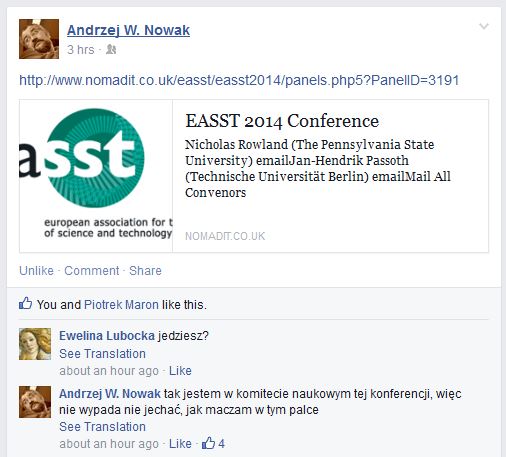
Sometimes you find out about these things on facebook!

At any rate, our session about STS, infrastructure, and the state is secured for EASST — please consider submitting an abstract.

STS and “the state”

Convenors

Nicholas Rowland (The Pennsylvania State University) email
Jan-Hendrik Passoth (Technische Universität Berlin) email
Mail All Convenors

Long Abstract

For “Situating Solidarities,” let’s return to classic issues of science, technology and politics. Normative answer exist: of how science, technology and politics should be related. However, we have seen a rising interest on how the practices of governing and “the state” are interwoven with science and technology. We would like to see:


1. Empirical cases of “the state” as manifest in infrastructure and everyday life: Recent work on

infrastructural developments offers cases to reconsider theoretical approaches to understanding what the state is. “The state in everyday life” offers a perspective that gets at mundane experiences and routine activities that either bring us closer to the state or fend us off from it.

2. Empirical cases of “the state” as manifest materially in institutional arrangements: State formation has been a perennial question in state theory. However, as scholarship develops, the old theories of the state, which emphasize war-making and international treaties, have given way to new research on the practical aspects of state formation and transformation.

3. Where is the state and where is not the state? State absense/state presence: This topic emerged organically from the last 4S meeting in San Diego, and while it is new to us and is far more experimental than the above themes, we consider it of vast potential.

Chair: Jan-H. Passoth, Nicholas J. Rowland

Propose paper

Hacker-Mullins Student Paper Award, 2014

March 15, 2014 is the deadline for graduate students papers for the Hacker-Mullins Student Paper Award, 2014. So if you know a grad student that published a decent paper in the last two or so years, nominate them … or, graduate students, nominate yourselves!

Hacker-Mullins Student Paper Award, 2014

The Science, Knowledge and Technology Section invites submissions for the 2014 Hacker-Mullins Graduate Student Paper Award. The winner will be honored at the ASA meetings in San Francisco (August 16-19, 2014) and will receive a plaque. The award also comes with a $350 prize. The deadline for submissions is March 15, 2014. Self-nominations are welcome. To be eligible, an author must be a student at the time of submission. Published and unpublished papers are accepted; if published, the article must have been published no earlier than 2012. This year’s committee members are Daniel Breslau (Chair), Erin Leahy, Dan Morrison, Elizabeth Sweeney, and Steven Epstein (ex officio). Please send the nominated paper and a brief nominating statement in one PDF document, via email, to Daniel Breslau at dbreslau@vt.edu.

Here are some past winners of the award published in SSS.

Guest blogger: Endre Dányi for one time only

Capture

Long time blog readers, you may recall that Endre was a guest blogger for us doing a great, great series on Parliaments (6 parts in all, count them, one, two, three, four, five, and six!). Looking back, the six posts make a nice collection.

He has been keeping busy lately in a project that was featured on the EASST website (for his collaborative work on “Mattering Press: New forms of care for STS books.”).

He will join us again for a blog post specifically about mattering press and perhaps tell us a little about a talk he recently did about open-access and samizdat.

As Endre told me:

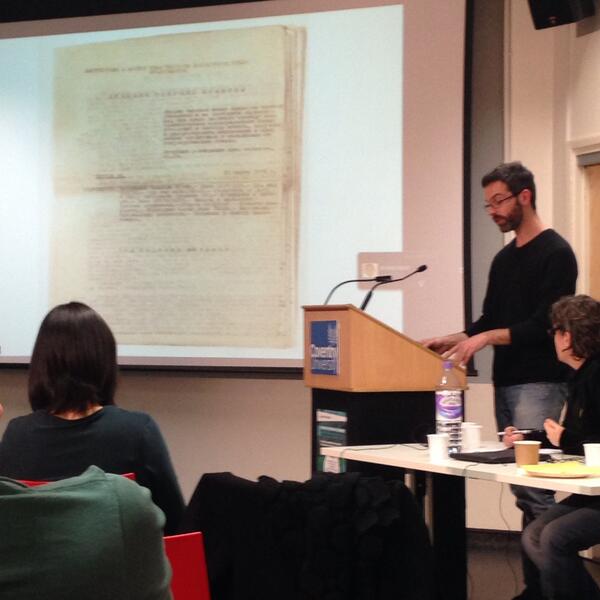
The term ‘samizdat’, coined by the Russian poet Nikolai Glazkov in the early 1950s, means self-publishing and refers to both the various processes of producing texts unauthorised by the state, and the outcomes of those processes: mostly literary and political writings that could not have appeared in official periodicals.

Image from: http://pbs.twimg.com/media/BiIbVQSIYAAICQb.jpg

Diagnosing Bridge Collapse

Capture

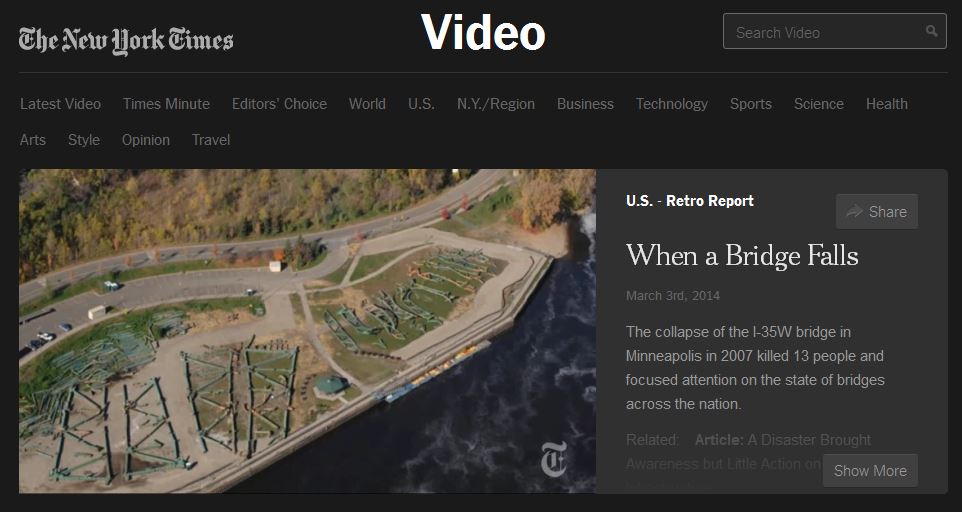
New York Times has a nice retrospective video on the “collapse of the I-35W bridge in Minneapolis in 2007 killed 13 people and focused attention on the state of bridges across the nation.” As a native Minnesotan, this event is one of the moments I look back and can easily pinpoint my growing interest in infrastructure, especially, infrastructural decay as a major present and future concern in the US and beyond.

Surveillance Infrastructure Novel

Image

As weird as it sounds, that’s what “The Watchers” is, but it is also written by Shane Harris who has something of an academic/journalistic background, which the subtitle “The rise of the American surveillance state” clarifies.

The concept developed, the surveillance state, is not really developed for use in theory, but it does seem to have applications for the general public as a (new) way to think about these issues (that Foucault cued us to long ago). Likewise, the book is written in a novelistic style even though it is based largely (if not entirely) on first-hand accounts from people Harris has interviewed. Makes for an interesting discussion: is it worth using the novel format to learn empirical truths about the state, or does the style/format reduce the “weight” of the argument?

I don’t know, but the more our ideas here get in congress with dmfant’s, I wonder if “more useful” is not always better provided “still true” is the baseline.

The Birth of Territory wins the 2013 Association of American Geographers Meridian Book Award for Outstanding Scholarly Work in Geography

The Birth of Territory wins the 2013 Association of American Geographers Meridian Book Award for Outstanding Scholarly Work in Geography

stuartelden's avatarProgressive Geographies

12 The Birth of Territory I have recently been given the good news that the The Birth of Territory has been awarded the 2013 Association of American Geographers Meridian Book Award for Outstanding Scholarly Work in Geography .

I’m obviously delighted by the news, but also surprised, in part because Terror and Territory won their other major book award just a few years ago. I will receive the award at the AAG meeting in Tampa in April, where there will also be an ‘author meets critics’ session on the book.

View original post

Non-human persons are among us

Capture

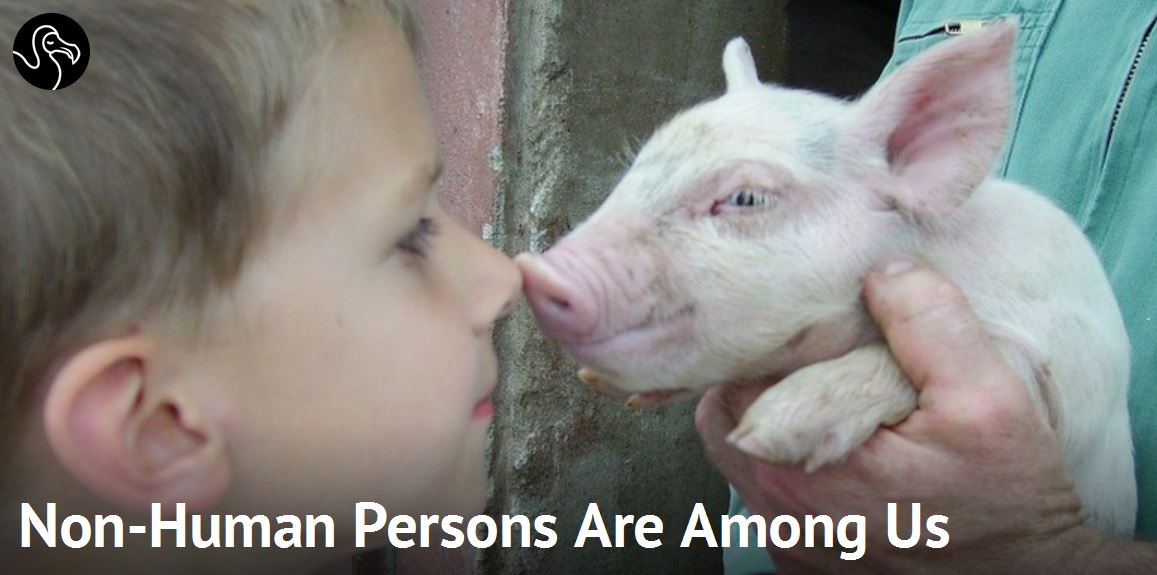
The dodo-community has a blog that utilizes some concepts we are generally interested in on the blog, for example, non-human. Check it out.

Some of the links are pretty incredible, like dolphin stampedes and so on. At any rate, it is an interesting source that I was not aware of. Might be more exciting or interesting if there was a more academic focus (that is, specifically interesting to me as an academic), but some of these issues, like the protection of animals, would suffer from a pedantic streak …

Disaster art?

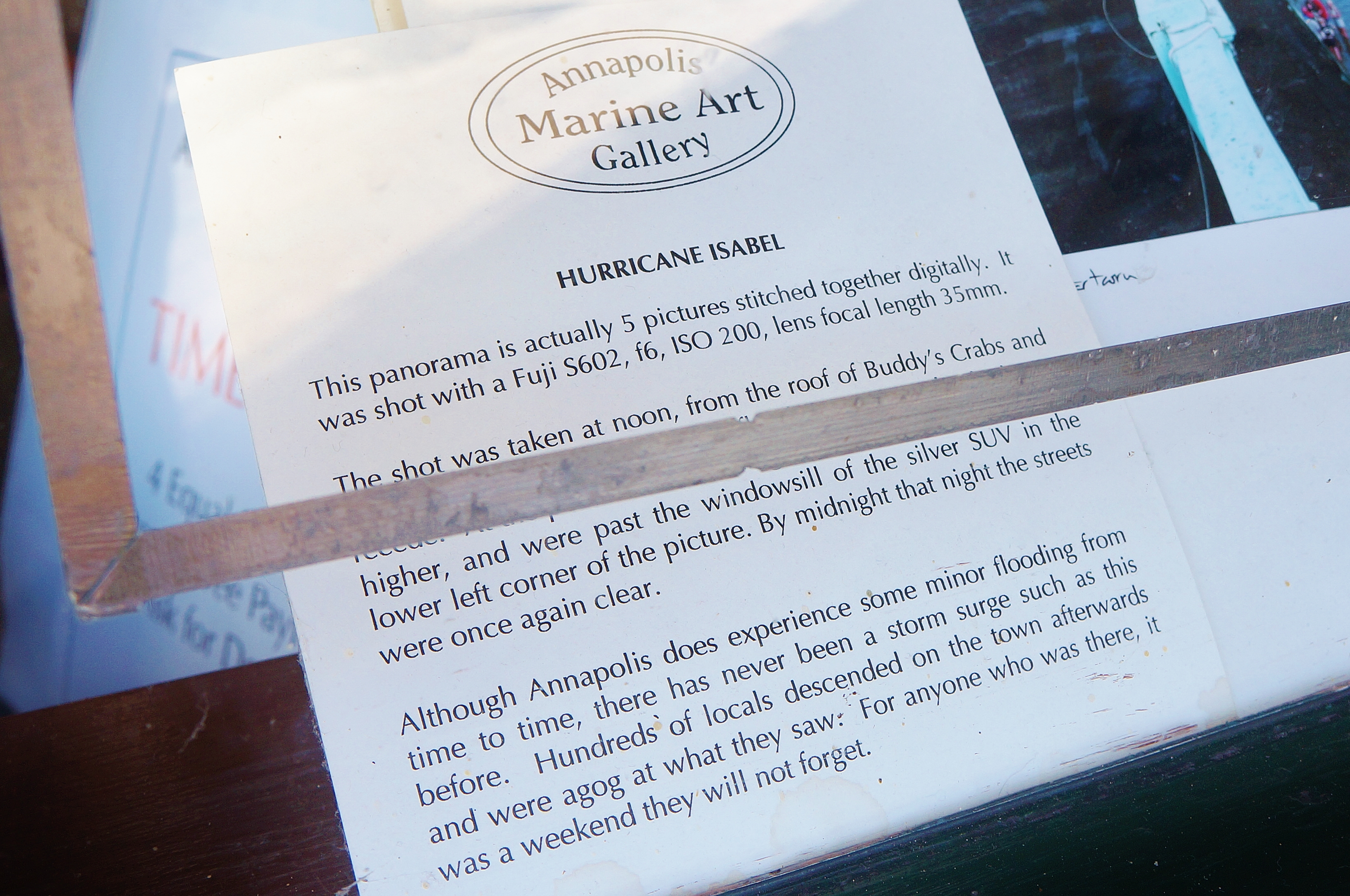
DSC07403

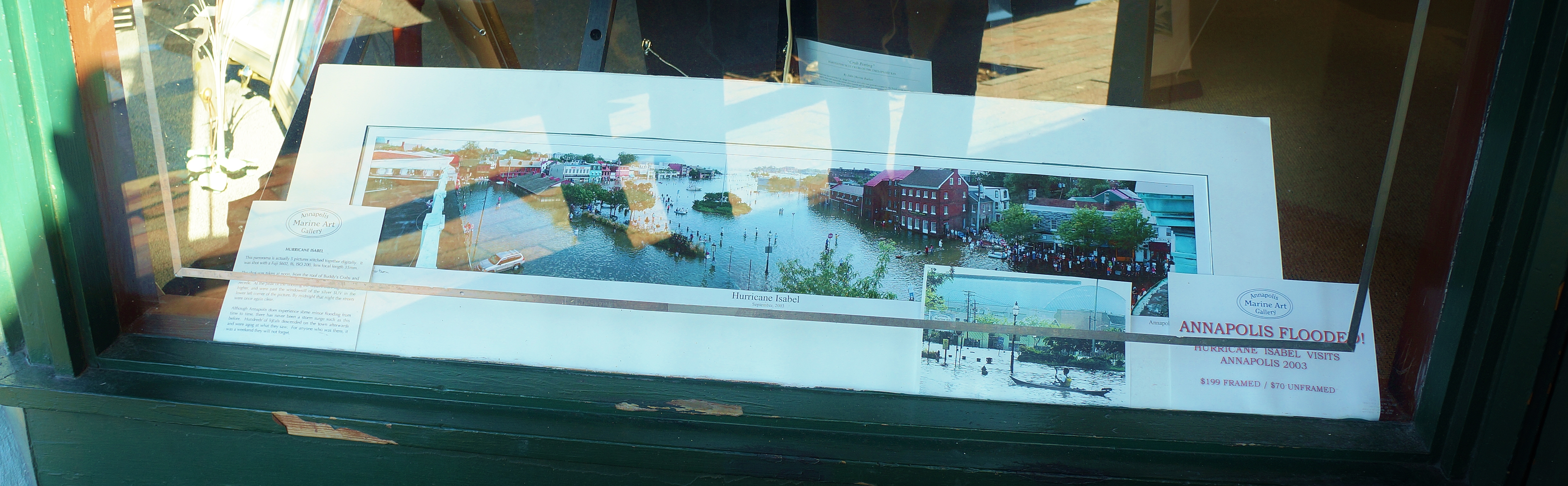
I was in Anapolis, MD, last weekend and saw something that I thought was a bit odd (above): disaster art. At first, I was stunned; how could a place celebrate (but potentially profit) from local disasters? How would that appeal to tourists? In this case, of course, its an image of flooding after a hurricane where the infrastructure of the harbor is damaged and, in may cases, submerged.

DSC07402

“Why would folks want pictures of broken infrastructure?” I thought. And that’s when my art history training came in and I had a “duh” moment. Disaster art — fictional and non-fictional — has been common for centuries. See, for example, this blog post about sunken ships or this one featuring a number of examples of fictional disaster art.This pintrest board sums it up nicely, saying disaster begets creativity, and includes a number of other obvious pieces of this puzzle like disaster memorials and post-disaster reassembly work like art from tsunami rubble in Japan. I’d also be remiss not to include the massive amount of disaster art in video games, for example, post-apocalyptic games like the Fallout (below), Gears of War, or Halo series.

Capture

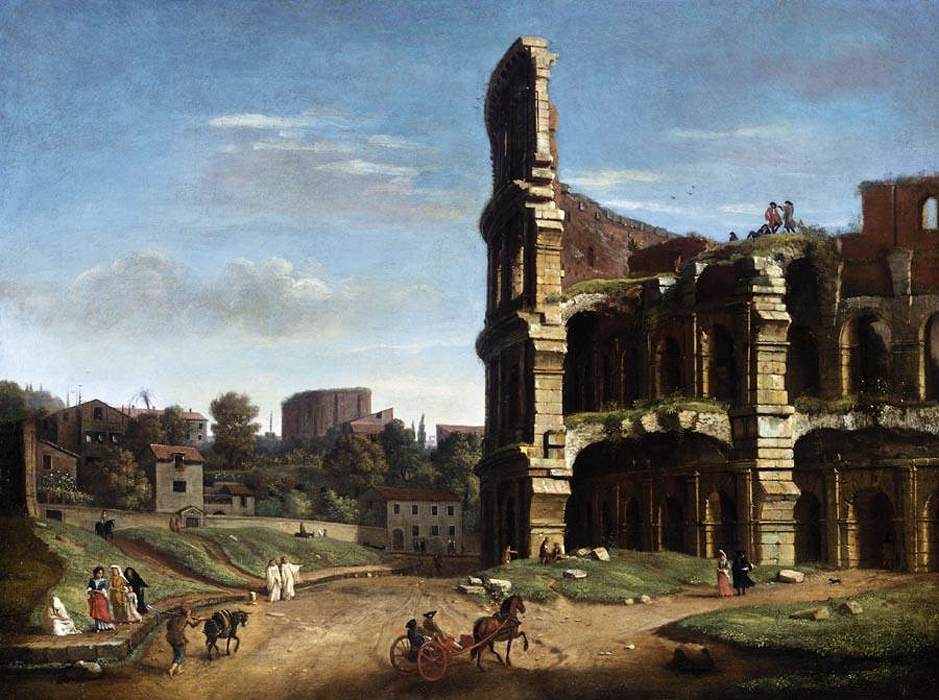
Still, people’s love for depicting ruins is far older than all that. I’m thinking, in particular, of the many depictions — often with a romantic feel — of derelict Greek temples or statues like this image (contemporary, lame, background wallpaper) or this painting of the Colosseum (from the second half of 17th century).

Capture

Seems we love our ruins, after all.


Using search engines to teach reading

Capture

Interesting development in Alabama:

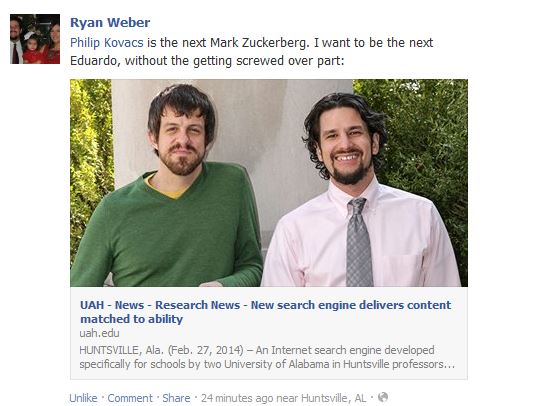
HUNTSVILLE, Ala. (Feb. 27, 2014) – An Internet search engine developed specifically for schools by two University of Alabama in Huntsville professors is being tested as a way to increase reading abilities in challenged students and help motivate intellectual development in gifted students, while saving schools money on textbooks.

Check out the full story here.

The long shot heard round the world

Capture

Well, not exactly around the world. President Obama asks for a tax increase on gasoline to improve American infrastructure … only, it is not a gas tax, it is just another corporate tax, according to a NYT report. Obama appears to be using commonsense; if you like to use roads, then we need to pay to upkeep them … only that is what scares me because commonsense on the hill seems to have left the building a decade (or more) ago.

Crowdsourcing light pollution data: A means of infrastructure awareness?

Crowdsourcing infrastructure data/awareness?

Max Liboiron's avatarDiscard Studies

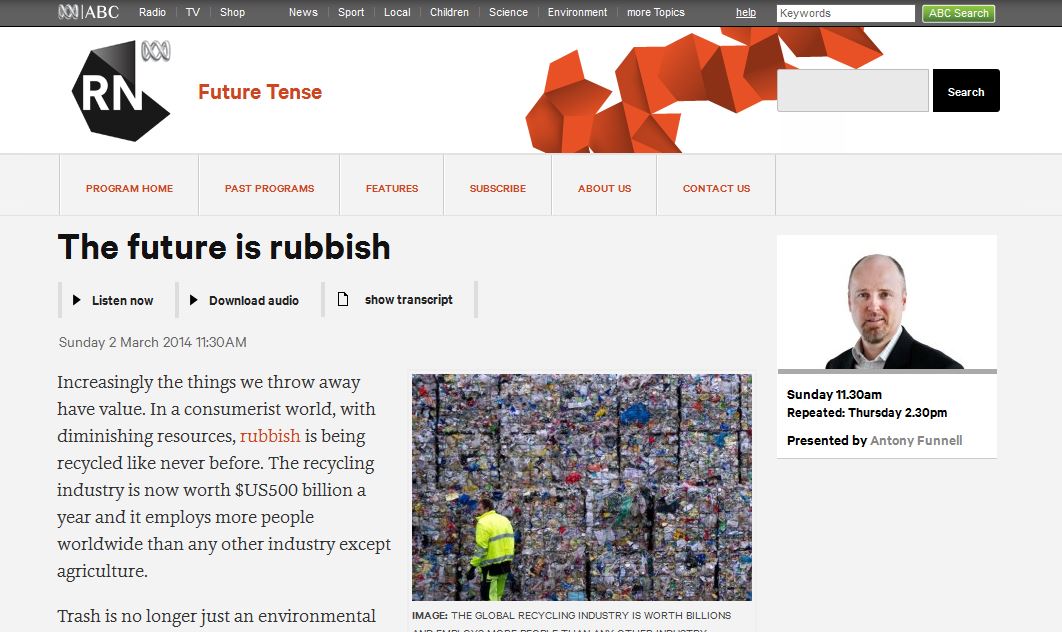
The Globe at Night project  is an international citizen-science campaign to measure the impact of light pollution. It invites citizen-scientists (aka: you) to measure their night sky brightness and  submit their observations  from a computer or smart phone. Light pollution is often left out of discussions about waste and discards, possibly because of its un-material, non-toxic status. Yet, if waste is broadly defined as the externalities of social-technical systems, then light that exceeds its use or that effects areas outside of designed intentions certainly qualifies as waste. Light pollution is usually defined as “excessive, misdirected, or obtrusive artificial” (usually outdoor) light. Too much light pollution has consequences: it washes out starlight in the night sky, interferes with astronomical research, disrupts ecosystems )particularly nocturnal animals), has adverse health effects (particularly circadian rhythms) and wastes energy. There is even something called “ light trespass ,” where light shone onto a property prevents the owner from…

View original post 625 more words

Legos Shutting-Down Gender Criticism?

1779091_678509118859183_356860788_n

Girls, Blox, Bricks, and “Childhood Engineering”: We’ve written about the new craze for Goldiblox a bunch of times recently (here, here, and here), now that that young engineer from Stanford has formally “launched” the product. Legos appear to be joining the battle-cry … or they also might have started it (well, they seem to claim as much).

Here is some recent text I’ve been seeing all-over discussions about gender and, let’s say, “childhood engineering” (its a WYSK EXCLUSIVE — but seems to be difficult to load the stuff right now … not sure why). Here is the text, and above is the original picture:

“In 1981,” explains Giordano, “LEGOs were ‘Universal Building Sets’ and that’s exactly what they were…for boys and girls. Toys are supposed to foster creativity. But nowadays, it seems that a lot more toys already have messages built into them before a child even opens the pink or blue package. In 1981, LEGOs were simple and gender-neutral, and the creativity of the child produced the message. In 2014, it’s the reverse: the toy delivers a message to the child, and this message is weirdly about gender.”

Not sure if Legos has seized this little tid-bit trying to shut it down, and that explains why it is down, or perhaps the traffic to it is too high (though that seems unlikely, at best). Here is the piece, at least as I can see it from my facebook:

Capture

If you can find it, check out the commentary. You could save this and write a modest piece in STS or even have students analyze the responses in an activity about gender and engineering…


Infrastructure: The New New Deal

Capture

Following government discussion of whether or not investment in infrastructure will or will not improve the economy and boost job growth seems like a no-brainer for the STS crowd (i.e., as a rich topic for discussion); however, to the best of my knowledge, this is relatively rare to find in the pages of our journals (even if the insights we could glean may very well have helped such dire governmental circumstances).

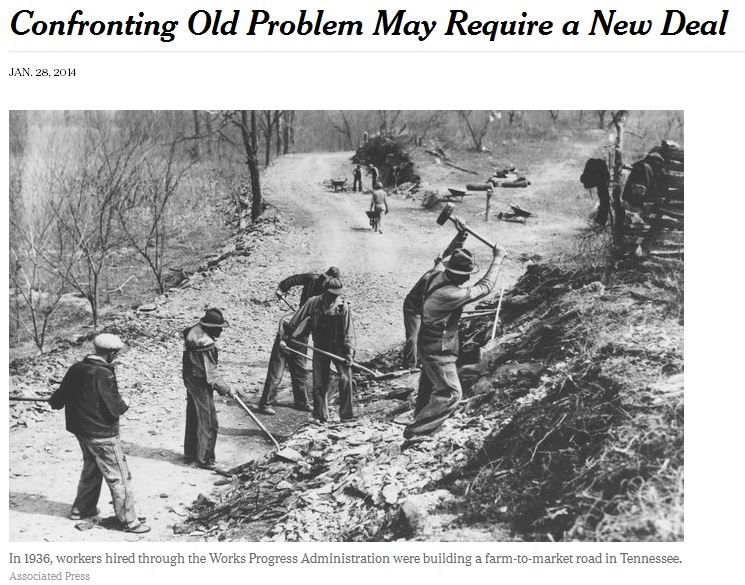
Eduardo Porter, writer for the New York Times “Economic Scene” section, recently wrote a piece on infrastructure. The piece, “Confronting Old Problem May Require a New Deal,” provides readers with the predictable ‘public’ perspective on the relationship between employment and infrastructural development painting the all-too-familiar picture that more of the former requires more (investment) in the latter. This is hardly  new. During times of economic strife, low investment in (even crumbling infrastructure) further diminishes job growth on a grand scale (which we’ve discussed with regard to Germany, the US, and the austerity-infrastructure relationship).

Porter takes us on a tour of political and economic history, showing readers that this relationship may not be so clear-cut. For example, Keynes predicted — thanks to technological efficiencies, improvements in management, and so on — a persistent level of unemployment is inevitable. A solution is investment in infrastructure, and such discussion, Porter reports, go a ways back:

In “Freedom From Fear,” his history of the United States through the Great Depression and World War II, David Kennedy notes that fears that what Keynes called “technological unemployment” might become a permanent feature of the labor market, especially among the less skilled and the elderly, date back to the administration of President Herbert Hoover.

The inability or complete failure of the American government to produce enough consensus regarding new programming as aggressive as those of FDR’s era has lead to concerns and fear that we are on a path toward permanent employment stagnation.

However, at this moment in history, it may not be possible, even if the political will did exist, to invest in enough infrastructure to get us out of this mess. In the 1970s,  a failed job stimulus plan (similar to Obama’s failed plan) showed Americans that, and we’ll go to a Harvard specialist for this:

“It works best if you hire people that would not otherwise be hired, to do something productive that is not already being done by somebody else,” said Lawrence Katz of Harvard, formerly chief labor economist in the Clinton administration.

Katz goes on:

“Long overdue infrastructure investments would be a good place to start, coupled with funding for positions cleaning parks and the like, which could help disadvantaged workers like the long-term unemployed.”

And then Porter intercedes:

Not every unemployed worker may be qualified to build infrastructure. But many might. Today, there are 1.5 million fewer jobs in construction than there were before the financial crisis six years ago. Plenty of unemployed workers out there know how to build things.

Only, we don’t need house-builders, we need re-construction, de-construction, and renovation. Perhaps that is not so unlikely to be fulfilled; after all, the cost of borrowing money is low and the amounts of money needed for such massive projects is available, but it simply will not — no matter how many libertarians tell me so — be done if not by the government. My intuition is that large firms in the US that use such infrastructure with regularity would only step-in after it all far too late … we are getting closer by the day, after all. The last serious investment in nation-scale infrastructure might very will be during the Great Depression.


Bibliography of work on Foucault and education

Foucauldians … this one is for you: a useful bibliography.

Clare O'Farrell's avatarFoucault News

I have just finished (more or less) compiling a list of English language works on Foucault and education for my M.Ed (Master of Education) students. I thought this might also be of use to others so I have set up a permanent page for it here at Foucault News.

Large as it is, the bibliography is by no means comprehensive, and you are invited to post any missing items, corrections or other additions in the comments section on the page for the bibliography for inclusion in the main document. As such, the bibliography will remain a work in progress.

With thanks to Megan Kimber for assistance in finding many of the journal articles.

View original post

Questions arising from discards and ‘An Inquiry into Modes of Existence’

This is interesting; Learning from Discarding.

guestauth0r's avatarDiscard Studies

By Josh Lepawsky
Reblogged from Reassembling Rubbish

What happens to the narrative of modernity – what do we learn – when we make an inquiry into what centres of modernism (science, technology, law, urbanism, religion, politics) discard from themselves? Clearly, this question is nothing more than a restatement of Latour’s in this video. In asking this question I don’t necessarily want to just attach my interests to Latour’s work in general or to his project in An Inquiry into Modes of Existence (AIME) (Latour 2013) specifically. However, my hypothesis – very tentative – is that perhaps asking this question actually illuminates something(s) passed over or missed in the AIME project.My hypothesis is triggered by remembering Harman’s claim that Latour has an ‘industrial model of truth’:

Truth is best described not by the optical or pictorial metaphor of copying a true state of affairs in our mind, but by…

View original post 2,061 more words

Teaching the Public Understanding of Science with Ancient Aliens

819jpokH4AL._SL1500_

I have had unprecedented success with a new lesson in STS and I thought I’d share it with you all on the blog. NOTE: I’ve also got a sheet that can be used for students to follow along and it provides some questions to orient discussion after viewing (if you’d like it, it is like some others I’ve shared, for example, related to the “King of Kong” as an easy way to teach students about the scientific community and philosophy of science or a handout used to teach students about controversies in science through a documentary on intelligent design). So, every semester, the chapters on the “public understanding of science” in Sismondo’s introductory text end-up being sort of boring to students.

However, working with a student over the last year, we found another way to “get at” the information. Instead of dealing directly with some of the issues associated with the public and science through the typical lens of “understanding,” we look for the public and science through another lens, that of “misunderstanding,” in this case about what is and is not science.

Enter: Ancient Alien Theorists!

91ehsF3LplL._SL1500_

Ancient Aliens” is a series on the History Channel, self-described as:

Ancient Aliens explores the controversial theory that extraterrestrials have visited Earth for millions of years. From the age of the dinosaurs to ancient Egypt, from early cave drawings to continued mass sightings in the US, each episode in this hit H2 series gives historic depth to the questions, speculations, provocative controversies, first-hand accounts and grounded theories surrounding this age old debate.

In class, we just watch one episode, and it has been an incredible source of discussion ever since. During Season One, the fourth episode (which is just perfect for this lesson) is called “The Visitors.” Here is the summary:

If ancient aliens visited Earth, who were they, and where did they come from? Possible historic evidence and beliefs are examined around the world. The Dogon people possess knowledge of a galaxy they claim was given to them by a star god named Amma. The Hopi and Zuni people celebrate Kachinas, gods from the sky, whose headdresses and costumes appear to resemble modern helmets and protective clothing. Halfway around the world, Chinese legends tell of the Han leader, Huangdi, arriving on Earth on a flying, yellow dragon. Was this dragon more likely a spacecraft? Ancient astronaut theorists believe that these are far from chance encounters and that extraterrestrials not only interacted with us, but changed the course of human history.

The key is to ask questions after viewing like:

1. How do these “theorists” use the tools, rhetoric, and, thus, credibility of science to launch their claims?

2. What statements might be made or what portrayals do you see that link ancient aliens to the scientific enterprise? 

After we watched this, understanding how the presentation of scientific ideas (in this case, non-science), the students have literally no trouble dealing with Sismondo’s chapter, which features the deficit model of public understanding and the presentation of science and the scientific enterprise by journalists. The real joy, though, comes when Sismondo starts to discuss how some scientists short-cut the journalism process and go to the public directly — often, out of desperation (enter, again: Ancient Alien Theorists!)

Again, write me if you’d like a copy of the sheet or to discuss the teaching idea.

Images from: http://www.amazon.com/Ancient-Aliens-Season-One/dp/B0038M2AWI

A new direction in political sociology?

Capture

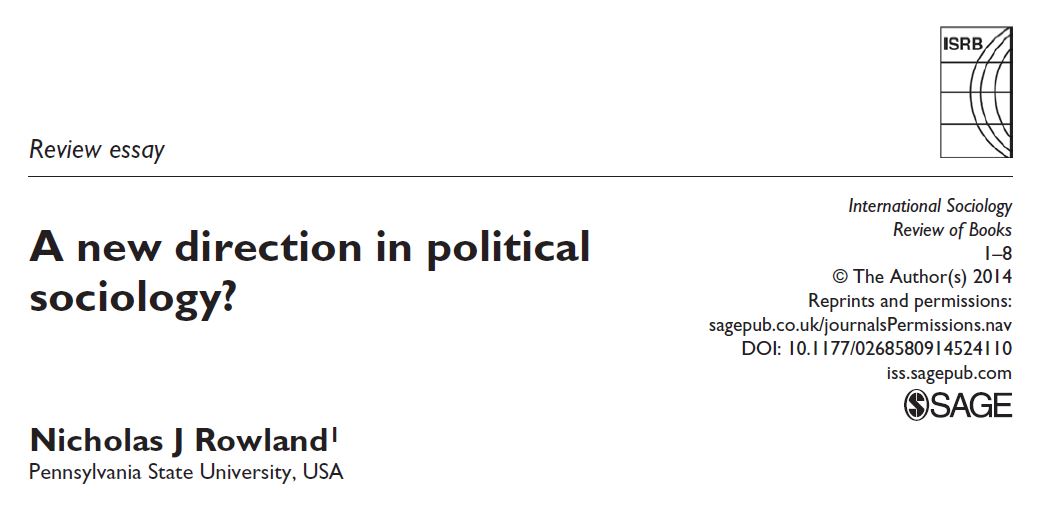
These are the proofs for a new paper/article that I’m working on. The piece is based-off of a few new books in political sociology, which I review, tie-together, and then admittedly and self-servingly I use them to suggest that a little STS would help matters out in political sociology. It is a bit academic in places, somewhat nit-picky, but I tried to keep the tone at least a little playful.

The Productive Body by Didier Deleule and François Guéry

Making an old book new again … by translating it into English.

stuartelden's avatarProgressive Geographies

An important 1972 book, mentioned by Foucault in Discipline and Punish, is finally coming out in English translation in March 2014, with an excellent introduction by the translators.

Productive BodyThe Productive Body asks how the human body and its labor have been expropriated and re-engineered through successive stages of capitalism; and how capitalism’s transformation of the body is related to the rise of scientific psychology and social science disciplines complicit with modern regimes of control. In Discipline and Punish, Foucault cited Guéry and Deleule in order to link Marx’s diagnosis of capitalism with his own critique of power/knowledge. The Productive Body brings together Marxism and theories of the body-machine for the goal of political revolution.

  • Very interesting analysis… The technological mutations of the apparatus of production, the division of labour and the elaboration of the disciplinary techniques sustained an ensemble of very close relations (cf. Marx, Capital,  vol. i, chapter XIII and…

View original post 24 more words

GoldieBlox stirkes again

https://www.youtube.com/watch?v=mHXbQ4PeNLI#t=12

Last night in the states, the NFL hosted the Super Bowl, a night when the game is watched nearly as closely by Americans as are the commercials. Surprising, to me, was that GoldieBlox, which we blogged about before and before that, was featured. It seems that that toy is really making headway and this probably marks the “beginning” for this concept.

Here’s to finally making some pro-engineering gender normativity — finally, “doing” STS out in the broader public (for example, perhaps about as much as these esteemed folks at MIT).

*PS: I finally learned to spell GoldieBlox correctly; thanks to all the viewers that let me know that I misspelled it incorrectly every time in the past entries. Mia culpa!